
Essential Lubricants for Farm Equipment Maintenance
- demetreskarales252
- Feb 15
- 3 min read

Maintaining farm equipment is crucial for ensuring efficiency and longevity. One of the most important aspects of this maintenance is the use of the right lubricants. Proper lubrication not only reduces wear and tear but also enhances the performance of machinery. In this blog post, we will explore the essential lubricants for farm equipment maintenance, their benefits, and how to choose the right one for your needs.
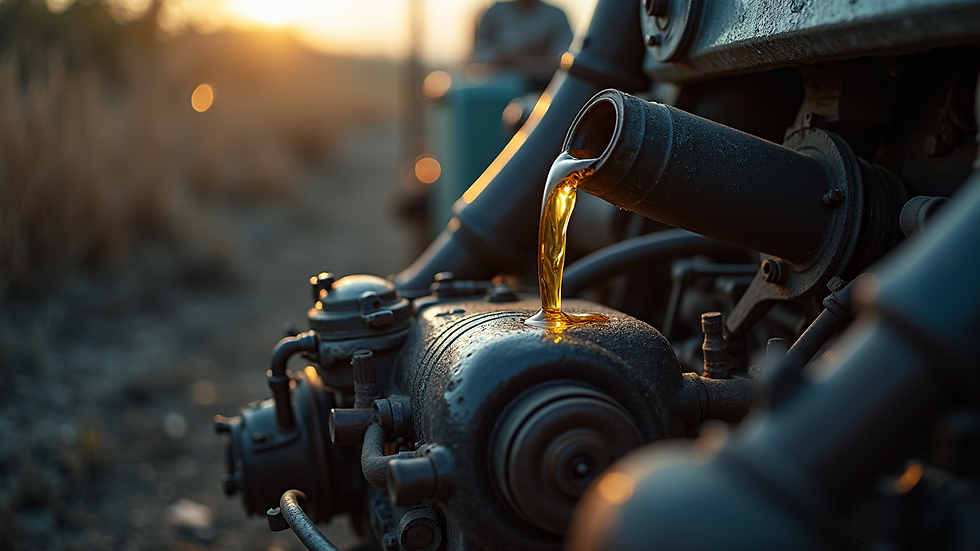
Understanding the Importance of Lubrication
Lubrication is the process of applying a substance to reduce friction between surfaces in mutual contact. In farm equipment, this is vital for several reasons:
Reduces Wear and Tear: Lubricants create a protective film that minimizes direct contact between moving parts, reducing wear.
Enhances Efficiency: Proper lubrication ensures that machinery operates smoothly, improving fuel efficiency and productivity.
Prevents Corrosion: Many lubricants contain additives that protect metal surfaces from rust and corrosion.
Extends Equipment Life: Regular lubrication can significantly extend the lifespan of your machinery, saving you money in the long run.
Types of Lubricants for Farm Equipment
There are several types of lubricants available, each designed for specific applications. Here are the most common types used in farm equipment:
1. Engine Oils
Engine oils are essential for lubricating the internal components of engines. They come in various grades and formulations, including:
Conventional Oils: Made from refined crude oil, suitable for older engines.
Synthetic Oils: Engineered for better performance and protection, ideal for modern engines.
High Mileage Oils: Formulated for vehicles with over 75,000 miles, containing additives that help reduce oil consumption and leaks.
2. Gear Oils
Gear oils are thicker than engine oils and are designed for use in gearboxes and differentials. They provide excellent protection against wear and help dissipate heat. Look for:
API GL-4 and GL-5 Ratings: These ratings indicate the oil's performance level and suitability for different types of gears.
3. Hydraulic Fluids
Hydraulic systems in farm equipment rely on hydraulic fluids for operation. These fluids must have specific properties, such as:
Anti-wear Additives: To protect hydraulic components from wear.
Viscosity Index Improvers: To maintain performance across a range of temperatures.
4. Greases
Greases are semi-solid lubricants that are ideal for applications where oil would leak out. They are commonly used in:
Bearings: To reduce friction and wear.
Pivot Points: To ensure smooth operation of moving parts.
5. Specialty Lubricants
Some farm equipment may require specialty lubricants, such as:
Food-Grade Lubricants: For equipment used in food production, ensuring safety and compliance with regulations.
Biodegradable Lubricants: For environmentally conscious operations, reducing the impact on soil and water.
Choosing the Right Lubricant
Selecting the right lubricant for your farm equipment involves considering several factors:
1. Equipment Specifications
Always refer to the manufacturer’s manual for recommended lubricants. This ensures compatibility and optimal performance.
2. Operating Conditions
Consider the environment in which your equipment operates. Factors such as temperature, humidity, and exposure to contaminants can influence your choice of lubricant.
3. Application Method
Different lubricants may require different application methods. Some may be applied manually, while others may need specialized equipment for proper distribution.
4. Cost vs. Quality
While it may be tempting to choose the cheapest option, investing in high-quality lubricants can save you money in the long run by reducing maintenance costs and extending equipment life.
Best Practices for Lubrication
To maximize the benefits of lubrication, follow these best practices:
1. Regular Maintenance Schedule
Establish a routine maintenance schedule that includes regular checks and lubrication of all moving parts. This can prevent costly breakdowns and repairs.
2. Clean Surfaces Before Application
Always clean surfaces before applying lubricant to ensure that dirt and debris do not interfere with the lubrication process.
3. Use the Right Amount
Applying too much lubricant can lead to excess buildup, while too little can result in inadequate protection. Follow manufacturer guidelines for the correct amount.
4. Monitor Lubricant Condition
Regularly check the condition of lubricants. Look for signs of contamination or degradation, and replace them as necessary.
5. Train Staff
Ensure that all staff involved in equipment maintenance are trained on the importance of lubrication and the proper techniques for applying lubricants.
Conclusion
Proper lubrication is a critical aspect of farm equipment maintenance that should not be overlooked. By understanding the different types of lubricants available and how to choose the right one, you can significantly enhance the performance and longevity of your machinery. Remember to establish a regular maintenance schedule and follow best practices to ensure your equipment remains in top condition. Investing time and resources into proper lubrication will pay off in the form of reduced downtime and increased productivity on your farm.


Comments